

Every autumn we get excited about something that might look rather unglamorous at first glance – bare root plants. They are not covered in leaves, they are not in a pot, and they may not look like much when they arrive at your doorstep.
Yet we can tell you, bare root plants are one of the biggest open secrets in gardening. They are incredibly reliable, wonderfully cost effective and an absolute dream to plant during the colder months when the garden is settling down for winter. You can buy roses, fruit trees, hedging and more, all as bare roots!
What Are Bare Roots?
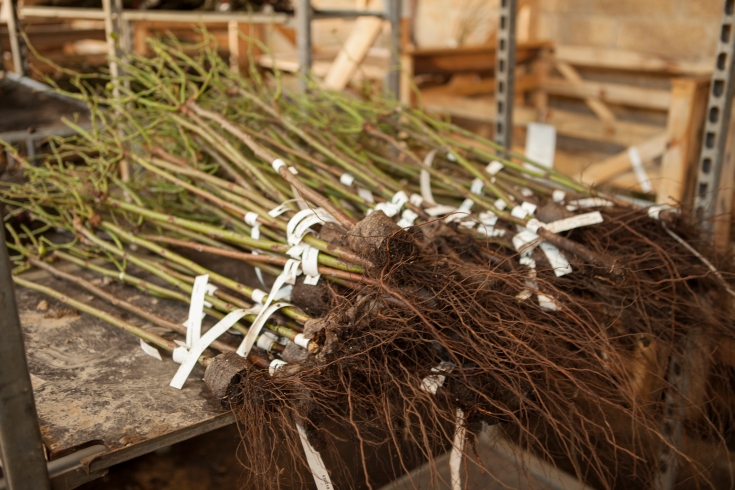
Bare root plants are dormant, with no leaves, and with the roots out of the soil. The season runs from November to April, depending on the weather. Some larger or slower-growing plants will already be a few years old when you receive them, and ready to thrive straight away in your garden.
“Pruned and ready to go. When they come into the warm of the outside world, they’re ready to grow!”
Planting bare root fell out of fashion somewhat when potted plants in larger containers began to appear in the ’60s. Plants in containers are available all year round, extending the planting season for many species like roses and fruit trees, but the benefits of bare-roots are plentiful.
Why You Should Plant Bare Root
Bare root plants offer some remarkable advantages. First of all, they are far more cost effective. Because they are lifted and sold while dormant, without compost, pots or the need for intensive care on a nursery bench, we can offer them at significantly lower prices. That means you can plant more of what you need, whether that is a full hedge line, a row of fruit trees or a brand new ornamental specimen, all without stretching the budget.
Then there is the planting itself. Bare roots are incredibly lightweight and easy to handle, which makes the whole process quick and easy, even if you are totally new to gardening. They slip into the soil easily, settle faster and require less disturbance of your planting area.
“The way the professionals like to grow things… Bare root!”
With no heavy rootball to dig around, you can get a whole hedge or border planted in a fraction of the time.
The biggest advantage by far is the boost in root development. By planting bare roots in late autumn or winter, you are giving the roots time to grow into the surrounding soil while conditions are moist and cool.
Root growth continues through winter even when the plant looks quiet above ground, so by the time spring arrives the plant has already established a strong underground network. This leads to better early growth, more stability, stronger shoots and noticeably faster establishment than a plant put in during warmer weather.
How Do You Plant Bare Roots?

Bare-root plants might seem a bit daunting on arrival, as they look a little bit like dead sticks but don’t worry. Firstly, they’re not dead, and secondly, they’re even easier than potted plants to plant!
- On receipt, soak the roots in water for at least two hours (overnight is better). If you can’t plant straight away, they should be fine for up to a week if left in a cool, dark, frost-free place. Keep the bag around the roots with some water inside. Don’t worry if the roots have been cut quite harshly – this is done to encourage the plant to grow.
- Select an appropriate spot for your plants, making sure that you give them enough space to grow. Dig a hole twice the width of the roots, forking over the bottom to loosen the soil. Then add some good quality fertiliser such as Blood Fish & Bone (wash your hands afterwards!).
- Aim to plant at the same depth as the soil mark on the trunk. Holding the tree or plant upright in position with one hand, slowly backfill the hole with soil. Gently shake the plant, so the soil falls back around the roots. Use your heel to compact the soil around the plant to ensure good contact with the roots.
- If you’re planting into pots, place some old rocks, stones or gravel in the bottom of the pot for drainage. Use the best compost you can buy – our Premium Professional Compost mix is particularly good. Add some sand or grit to aid drainage. You are again aiming to plant to the depth of the soil mark. Firm down as you fill, and press down hard with your heel when the pot is full.

How Do You Look After Bare Roots?
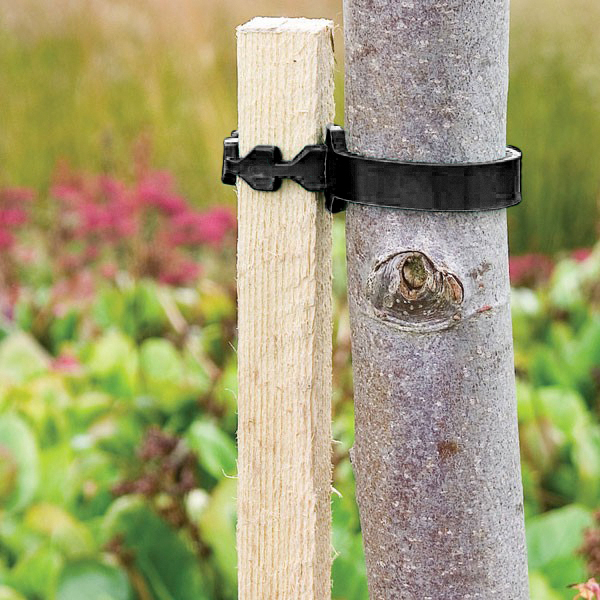
or all trees, we highly recommend using our Tree Planting Kits. Each contains 3 wooden tree stakes, 3 soft rubber tree ties and a sachet of Mycorrhizal granules. You only need to support the bottom half of each trunk, so push 40cm of each stake into the soil next to each tree. With the soft tie, make a figure of eight around both the trunk and stake and fasten it off. The tree will now be better protected from strong winds.
In terms of feed, Root Boost contains millions of Mycorrhizal fungi which will colonise the roots of bare-root plants; proven to aid root growth. This will lead to the better, quicker establishment and improved health. Spread this on the roots and in the soil when planting, and ensure that it is in close contact with the roots.
Water the plants weekly – especially in dry weather – for the first 8 weeks or so and when the soil and air warm up from late March onwards, you should see the plant burst into life. Do not allow plants to dry out in the first four months after planting but once established for one season, they will become much more tolerant to a lack of water as the root system develops.
There is no real need to prune for the first two years. Whilst a lot is talked about pruning, the best advice is to prune to the shape and size you want. Remove any broken, diseased or crossing branches in late autumn or winter once the plants are well-established to control the size, then prune established trees in summer using good quality secateurs removing weak shoots and cutting out those that cross over each other to create an evenly spaced bowl shape.
For our guide to planting Bare Root Fruit Trees, Click Here.
Ready to get your garden into tip-top order? Get everything you need for that big tidy up this autumn with our Autumn Garden Tidy Kit, shop here!


